


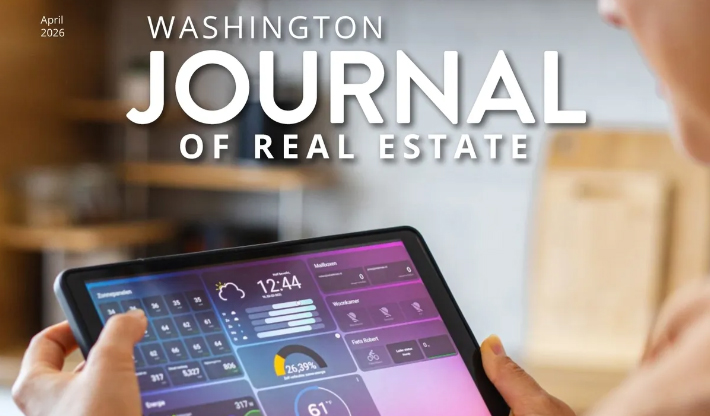
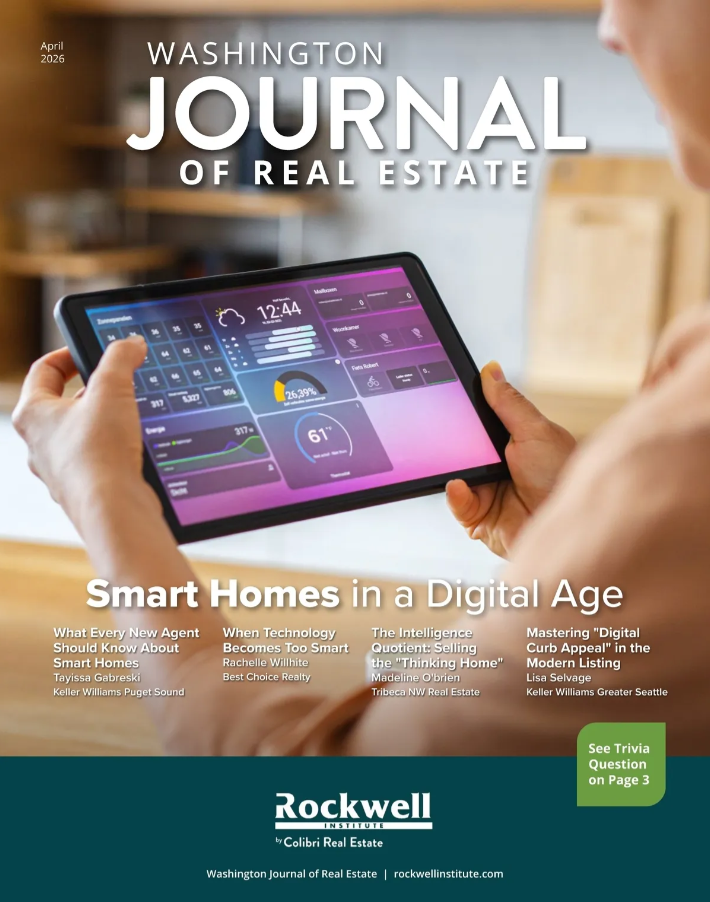
Walk into a modern home today and you may not immediately see what makes it different, but you will probably feel it. The lights adjust automatically as you enter the room. The thermostat has already warmed the home before you arrive. The doorbell shows you exactly who is at the front door while you are miles away. Welcome to the era of the smart home. What once sounded like futuristic luxury in *The Jetsons* cartoons is now becoming a normal expectation among homebuyers. Buyers are increasingly drawn to properties that integrate technology into daily life. In a digital age where our phones, cars and workplaces are all connected, it is only natural that our homes have joined the network. Smart home technology refers to systems that connect through the internet allowing clients to monitor, automate and control remotely. Some of the most common systems include thermostats, lighting, security, door locks, garage codes, and voice assistants.
For many, the appeal is all about convenience and efficiency. I love coming home to a scheduled heating and cooling, and my reduced energy costs also add to the appeal. Smart lighting can turn off when no one is home. Water leak sensors can alert homeowners before small issues become major repairs. As a broker, I see more homes each year equipped with smart technology – from thermostats and security systems to voice-activated lighting and appliances. These small improvements add up to something significant when a home can actively manage itself.
However, as helpful as these tools can be, many homeowners and real estate professionals are beginning to encounter another side of the digital age. Not long ago, while showing a home equipped with several smart security features, the buyer and their agent noticed something unusual. As they walked through the living room discussing possible renovations and pricing, a voice quietly began whispering through one of the speakers in the house. The seller was listening. At first, it seemed like a misunderstanding but as they moved into the kitchen the voice and the device continued. Subtle comments. Occasional whispers. The buyers began noticing that the interior cameras, which were small and mounted near the ceilings began to adjust as they walked from room to room. The cameras were following them. What was a regular showing turned into an uncomfortable experience. The buyers immediately finished the showing and quickly left. Later that day, when the agent from my office called them for feedback, the buyers decided they would not pursue the home. The entire experience had left them unsettled. Despite being well maintained, the home continued to sit on the market.
This story highlights an important lesson in today’s real estate environment. While technology can enhance a home, it must be used thoughtfully.
A simple rule for sellers listing a smart home:
- Disable the audio on interior cameras during showings
- Turn off audio recording devices
- Avoid monitoring buyers in real time
Buyers expect privacy while viewing a home and being guided by licensed, professional real estate brokers. When technology crosses that boundary, it can quickly turn interest away from the property. Smart devices that are helpful for daily living can create a serious concern during showings if they are perceived as intrusive. Many homeowners are also unaware of an important legal component. Under WA State Law (RCW 9.73.030) it is illegal to record a private conversation without the consent of all parties involved. Washington state is considered a “two-party consent” state, meaning that recording or transmitting conversations – whether through audio, security, or smart speakers – without notification can violate state privacy laws. This means that while exterior security cameras are generally acceptable, audio recording inside the home during a showing can create legal risk.
As technology continues to evolve, homes will only become more intelligent. Artificial Intelligence, predictive maintenance systems, and advanced energy monitoring are already emerging, allowing homes to anticipate needs and prevent problems before they occur. But as we move into the digital age, technology should enhance the experience of living in a home and not make people feel like they are living under surveillance. The lesson for homeowners is simple: smart technology should serve the home, not control the experience of those visiting it. The homes of the future may be smarter than ever, but the best homes will always remember one timeless feature: sometimes privacy is the smartest upgrade of all.
You can also view the entire article on the Washington Journal of Real Estate Magazine in April 2026’s Issue here.

Leave A Comment
You must be logged in to post a comment.